5 Indianapolis Properties That Appreciate Faster
Indianapolis properties that appreciate faster typically combine a strong location, limited supply, durable buyer demand, and practical features such as updated interiors, parking, and usable outdoor space. In 2026, homes near employment centers, desirable amenities, and improving infrastructure generally offer better appreciation potential than properties chosen solely for a low purchase price.

What types of Indianapolis properties appreciate faster?
The best-performing property is not always the newest or most expensive. Appreciation depends on how many future buyers want the home, how easily the property can compete with nearby listings, and whether the neighborhood has room to improve.
In Indianapolis, these property categories often have stronger appreciation potential:
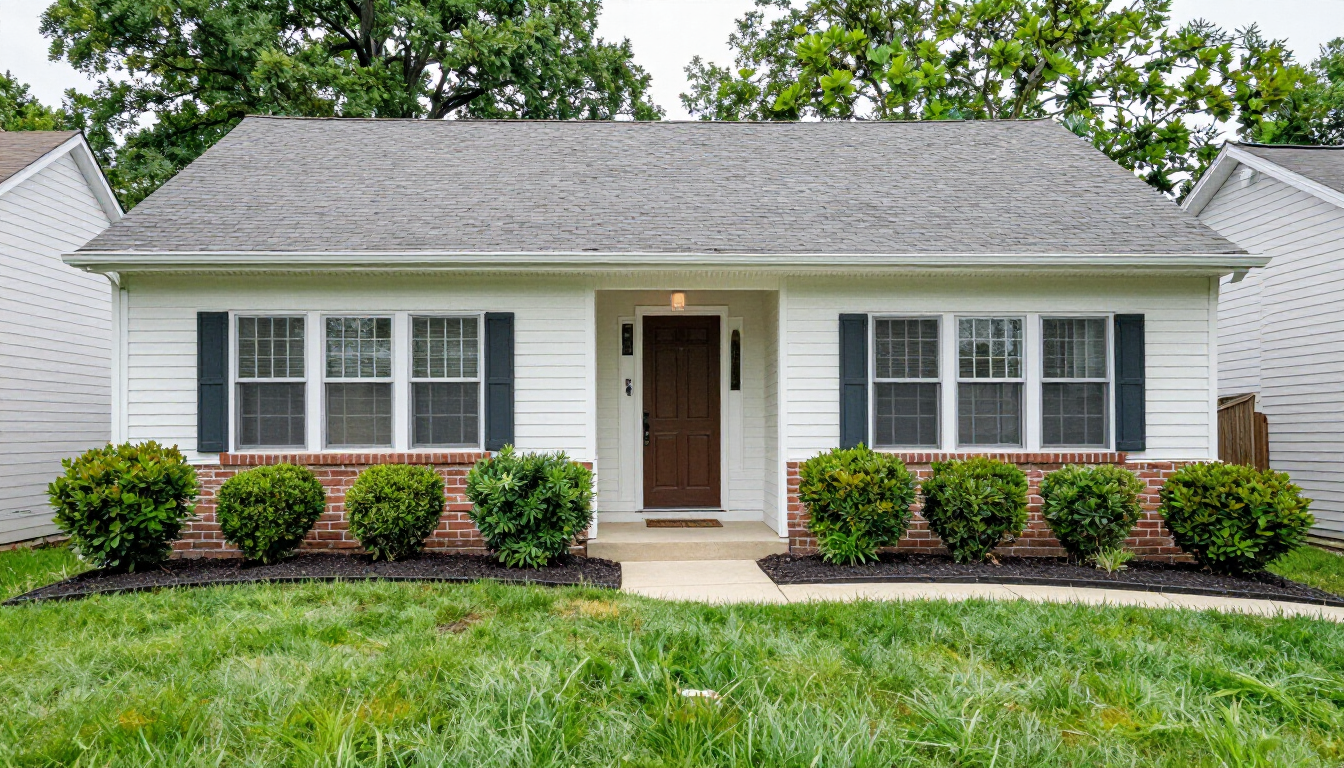
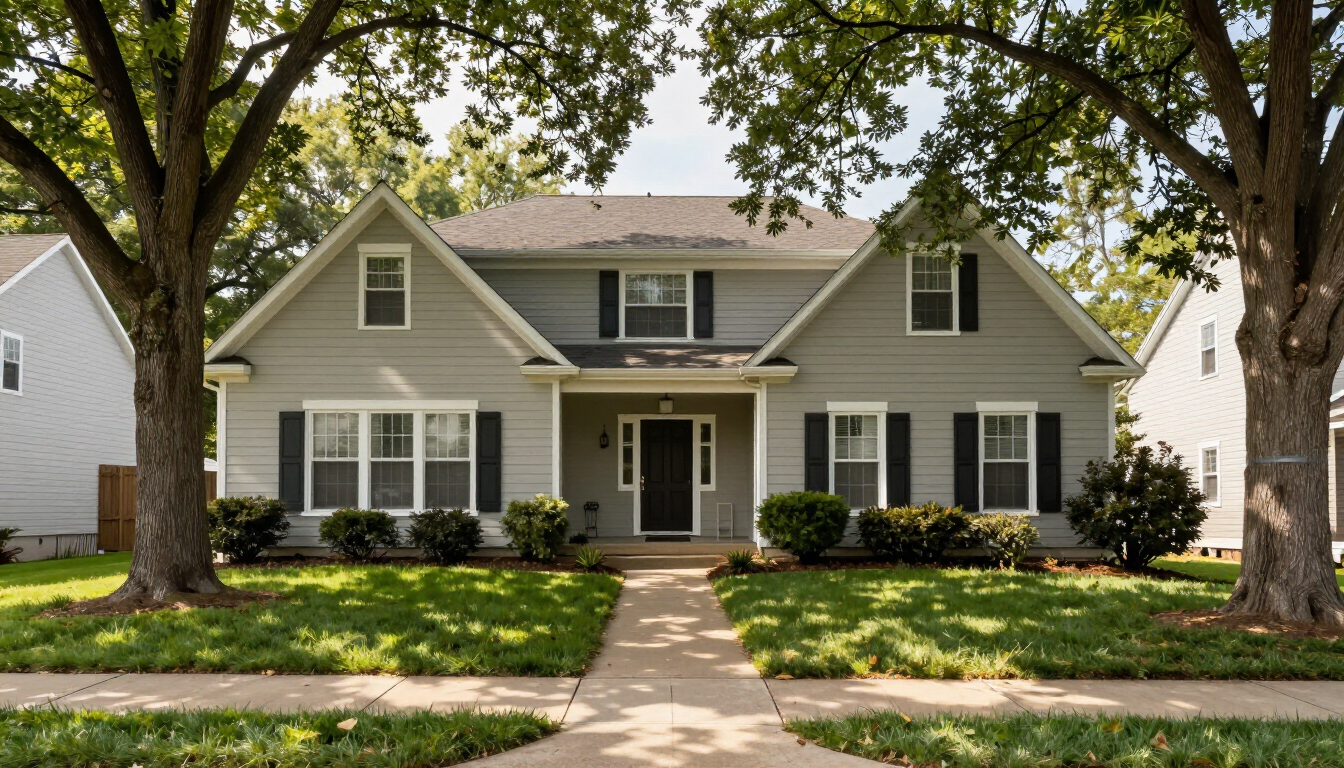
- Well-maintained single-family homes in established neighborhoods. They appeal to first-time buyers, move-up buyers, and investors, creating a broad resale market.
- Homes close to major employment centers. Properties with convenient access to downtown, major hospitals, universities, logistics hubs, and office corridors can benefit from consistent housing demand.
- Updated homes with manageable operating costs. Efficient systems, modern kitchens, sound roofs, and functional layouts can make a home easier to sell and finance.
- Properties in neighborhoods with improving amenities. New restaurants, retail, parks, trails, schools, and public improvements can increase buyer interest over time.
- Well-located duplexes and small multifamily properties. These can benefit from both rental demand and future owner-occupant or investor demand, although condition and local regulations matter.
The strongest opportunities usually sit at the intersection of location, condition, affordability, and scarcity. A high-end property may appreciate well, but a reasonably priced home serving a larger buyer pool may be easier to resell.
Why does location matter so much for Indianapolis real estate appreciation?
Location influences appreciation because it shapes daily convenience and long-term demand. Buyers commonly pay more for shorter commutes, nearby services, attractive public spaces, and neighborhoods with a recognizable identity.
Look for properties with access to:
- Downtown Indianapolis and major employment districts
- Hospitals, universities, and large medical campuses
- Interstates and dependable commuter routes
- Popular restaurants, shopping, parks, and trails
- Neighborhood amenities that support walkability or an active lifestyle
That does not mean every home near an interstate or commercial area will outperform. Noise, traffic, flood risk, and poor access can reduce desirability. The goal is convenient proximity without sacrificing livability.
For a closer look at local conditions, compare neighborhood-level information through Neighborhood Insights and review current pricing trends with a Market Analysis .
Indianapolis neighborhoods with appreciation potential
Neighborhood performance can vary block by block, so broad labels should be treated as starting points rather than guarantees. Areas with a combination of stable demand and visible reinvestment may offer a useful balance between current value and future upside.
Potential indicators include:
- Consistent buyer activity rather than one isolated surge
- Homes selling close to asking price when properly priced
- Renovated properties setting stronger comparable-sale benchmarks
- Low or moderate inventory relative to buyer demand
- New businesses, infrastructure, parks, or public improvements
- A mix of owner-occupied homes and responsible rental properties
An emerging neighborhood can produce attractive gains, but it may also carry more uncertainty. A mature, highly desirable area may be more predictable while offering less dramatic upside. Investors and homeowners should decide whether they prioritize stability, growth potential, income, or a combination.

Do renovated homes appreciate faster than fixer-uppers?
Renovated homes often sell faster and attract more buyers, but renovation alone does not guarantee higher appreciation. The improvement must match the neighborhood and remain financially sensible.
High-value updates generally improve one or more of these factors:
- Buyer confidence and perceived maintenance reliability
- Financing and appraisal appeal
- Energy efficiency and monthly affordability
- Functional use of space
- First impression in online listings and showings
Over-improving can limit returns if the finished home is priced far above nearby comparable properties. Cosmetic work may also produce less value than correcting deferred maintenance, improving layout, or adding a needed bedroom or bathroom.
Before buying a project, estimate acquisition costs, renovation costs, holding expenses, financing, and resale value. A local professional can help compare the projected after-repair value with recent sales instead of relying on a generic renovation formula.
Which property features support long-term appreciation?
Certain features tend to remain relevant because they solve practical buyer needs. In Indianapolis, prioritize features that improve usability without creating excessive ownership costs.
Strong features may include:
- Two or more functional bedrooms and bathrooms
- Flexible space for a home office or guest room
- Off-street parking or a usable garage
- A manageable yard with outdoor living potential
- Updated mechanical systems and durable materials
- Good natural light and an efficient floor plan
The best features depend on the target buyer. A downtown condo may win through convenience and low maintenance, while a suburban home may compete through yard space, storage, and school access. Match the property to the demand in that specific area.
How can you evaluate an Indianapolis property’s appreciation potential?
Use a repeatable process rather than relying on instinct or a single online estimate.
- Define the likely future buyer. Identify whether the next buyer is likely to be a first-time homeowner, family, commuter, downsizer, or investor.
- Study comparable sales. Compare similar properties sold recently, including size, condition, location, lot, updates, and days on market.
- Measure supply and demand. Review active listings, pending sales, price reductions, and months of inventory.
- Check neighborhood momentum. Look for permits, new construction, business openings, infrastructure projects, and changes in buyer activity.
- Stress-test the purchase. Consider taxes, insurance, repairs, vacancy, financing costs, and a slower resale timeline.
For an investment-focused purchase, compare projected appreciation with cash flow. A property that rises in value but consistently loses money may not be the strongest investment. Explore Investment Properties for additional context, or use Financing Options to understand how loan terms affect the numbers.
Common mistakes when forecasting appreciation
Appreciation forecasts become unreliable when buyers:
- Assume past growth will continue at the same rate
- Confuse a low purchase price with strong future demand
- Ignore property taxes, insurance, maintenance, or flood exposure
- Depend on citywide averages instead of neighborhood-level evidence
- Overestimate the value of expensive renovations
Market conditions can change with interest rates, employment, construction, and buyer preferences. A conservative forecast with multiple scenarios is usually more useful than an optimistic single number.
What is the best next step?
Start by choosing a target area and property type, then compare several real listings and recent sales. If you are selling, a precise pricing strategy matters because an overpriced home can miss its strongest early audience. List With Me provides a path for discussing positioning, marketing, and negotiation.
Key takeaways
- Location, buyer demand, and limited supply drive Indianapolis property appreciation.
- Updated, functional homes often appeal to the widest resale audience.
- Neighborhood trends matter more than a citywide average.
- Compare appreciation potential with cash flow and ownership costs.
- Use current comparable sales and a local market analysis before deciding.
Indianapolis properties appreciate faster when they offer durable demand, convenient locations, practical layouts, and manageable ownership costs. The strongest choice may be an established home near employment and amenities, an improving neighborhood property, or a small multifamily asset with reliable rental demand. Evaluate each opportunity using comparable sales, inventory, neighborhood momentum, and realistic expenses. Then decide whether the property fits your goal: building equity, earning income, or creating a flexible place to live. A data-driven review is the best next step before making an offer.