7 Easy DIYs to Raise Your Home Value
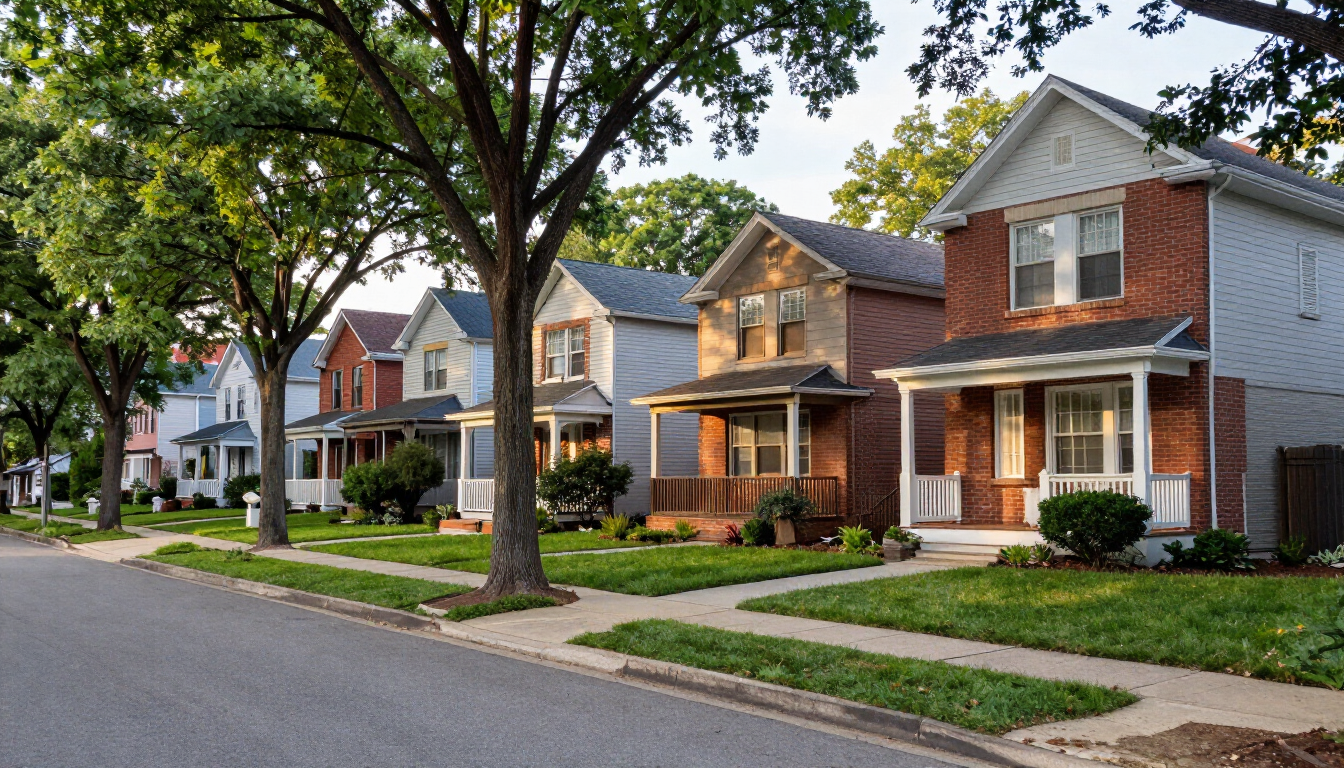
Easy DIYs to raise your home value are affordable improvements that make a property cleaner, brighter, better maintained, and more appealing to buyers. Focus first on visible repairs, curb appeal, paint, lighting, and organization. These projects can improve perceived value without the cost or disruption of a major renovation.
Which DIY projects add the most home value?
The best home improvements solve problems buyers notice immediately. A fresh-looking entry, clean surfaces, modern lighting, and well-maintained outdoor space can make a home feel more valuable before a buyer evaluates the kitchen, bathrooms, or floor plan.
Before buying supplies, walk through your home as if you were seeing it for the first time. Look for scuffed walls, loose hardware, burned-out bulbs, overgrown landscaping, and cluttered rooms. Prioritize projects that are inexpensive, highly visible, and easy to complete correctly.
Start with a simple value-focused checklist
- Repair visible damage, including holes, cracks, stains, and loose fixtures.
- Improve first impressions at the front door and entryway.
- Make rooms feel brighter, cleaner, and more spacious.
- Refresh dated finishes without over-customizing.
- Document improvements and keep receipts for future conversations with buyers.
1. Improve your front door and entryway
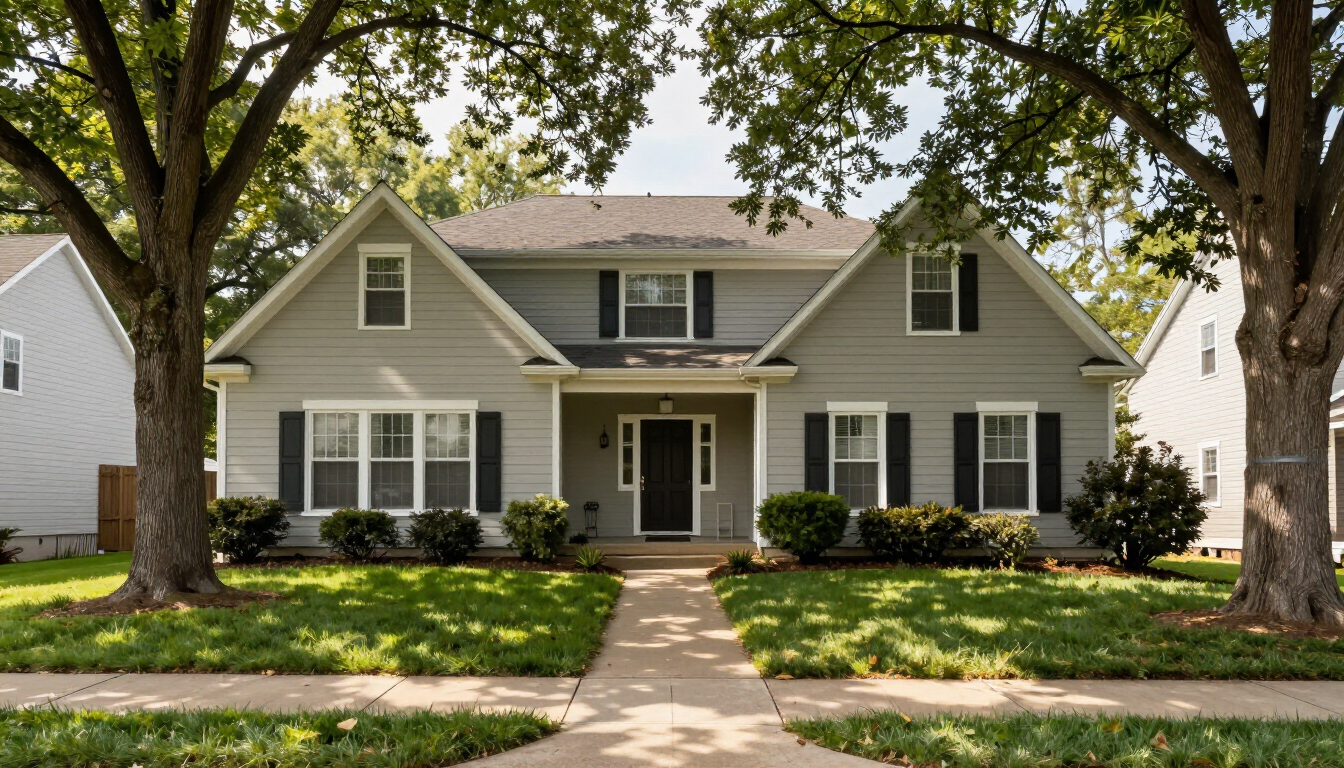
Your entryway creates the first emotional impression of the home. You do not need to replace the entire door to make it look more inviting. Wash the door, remove cobwebs, clean the hardware, and touch up chipped paint. If the color is dated, consider a classic shade such as deep blue, charcoal, black, or a muted green.
Replace a worn welcome mat and make sure the porch light works. If the light fixture is outdated but functional, replacing it with a simple, appropriately scaled fixture can create a noticeable improvement. Keep decorations restrained so buyers can imagine their own style in the space.
Inside the entry, remove excess shoes, bags, and furniture. A narrow console, wall hooks, or a small basket can make the area feel organized without making it crowded. These small changes improve both photographs and in-person showings.

2. Refresh walls with neutral paint
Paint is one of the most practical home value improvements because it changes how buyers experience every room. Cover scuffs, inconsistent touch-ups, and bold colors that may distract from the home’s layout. Choose warm whites, soft grays, light taupes, or other versatile neutrals that work with different furniture styles.
Preparation matters more than speed. Clean the walls, fill nail holes, sand rough patches, and use painter’s tape where necessary. A neat finish is more important than choosing an expensive paint color. Use the correct sheen: washable eggshell or satin often works well for living spaces, while ceilings typically look best in flat paint.
Do not automatically paint every room the same color. Consistency helps a home feel cohesive, but a small office, powder room, or accent wall can have personality if the color remains broadly appealing.
3. Upgrade lighting for a brighter home
Good lighting makes rooms appear larger, cleaner, and more comfortable. Replace mismatched bulbs with bulbs that have a consistent color temperature throughout nearby spaces. Warm white lighting generally feels welcoming in living areas and bedrooms, while brighter neutral light may work well in kitchens, bathrooms, and work areas.
Clean dusty fixtures and replace missing shades. Add affordable lamps to dark corners, especially in rooms that photograph poorly. Under-cabinet lighting can make a kitchen feel more functional, while a brighter mirror light can improve a bathroom’s appearance.
When replacing a fixture, turn off power at the breaker and follow the manufacturer’s instructions. If wiring is damaged, confusing, or unsafe, hire a qualified electrician rather than treating the project as a DIY task.
4. Make the kitchen look cleaner and more current
A full kitchen remodel is rarely an easy DIY project, but several smaller updates can improve its presentation. Start by deep-cleaning cabinet fronts, backsplash, appliances, grout, and hardware. Buyers often interpret cleanliness as evidence that the entire home has been cared for.
If cabinet doors are structurally sound, painting them can create a dramatic change. Use a bonding primer and a durable cabinet paint, and allow adequate drying time between coats. New pulls or knobs provide another affordable refresh. Choose one finish and use it consistently rather than mixing several styles.
Other practical updates include:
- Replacing a stained caulk line around the sink or countertop.
- Installing a clean, modern faucet if the plumbing connections are compatible.
- Replacing a damaged switch plate or outlet cover.
- Organizing pantry shelves and reducing countertop appliances.
- Repairing loose hinges, drawers, and cabinet doors.
Avoid highly personal tile patterns, unusual colors, or upgrades that exceed the standard of nearby homes. The goal is a cleaner, more functional kitchen—not a costly project that may not return its investment.
5. Make bathrooms feel fresh and well maintained
Buyers pay close attention to bathrooms because moisture, maintenance, and cleanliness are easy to evaluate. Recaulk around the tub, shower, sink, and backsplash where old caulk is cracked or discolored. Remove mildew first, let the area dry completely, and apply a product designed for wet locations.
Deep-clean grout and replace a stained toilet seat. A new shower curtain, coordinated towels, and a simple mirror can make the room feel more finished. Improve storage by removing expired products and using matching bins or baskets.
Check for slow drains, dripping faucets, loose towel bars, and running toilets. These problems are inexpensive compared with major repairs, but they can create an impression of neglect during a showing. If you find persistent moisture, soft flooring, or signs of a leak, have the source evaluated before covering it cosmetically.

6. Improve curb appeal with low-maintenance landscaping
Curb appeal does not require an elaborate garden. Mow the lawn, edge walkways, remove weeds, trim overgrown shrubs, and clear leaves from beds. Add fresh mulch for a tidy, finished appearance. If planting, choose healthy, climate-appropriate plants that will not require constant care.
Clean the sidewalk, driveway, porch, and exterior windows. A pressure washer can help, but use caution around siding, painted surfaces, windows, and older masonry. Do not damage a surface in pursuit of a quick cosmetic improvement.
Keep landscaping proportional to the property. Overgrown plants can hide windows and make the home appear smaller, while too many decorative items may distract from the architecture. A clean path to the front door is usually more valuable than an expensive collection of plants.
7. Declutter, organize, and create visual space
Decluttering is one of the easiest ways to raise perceived home value because it helps buyers see the home rather than the belongings inside it. Remove excess furniture, store seasonal items, and clear kitchen and bathroom counters. Open closets enough that buyers can understand the available storage.
Work one area at a time. Create three groups: keep, donate, and discard. Do not simply move clutter into a garage, basement, or spare bedroom; buyers often inspect those spaces too. Use inexpensive matching hangers, labeled bins, and shelf organizers where they improve function.
Aim for a comfortable, lived-in appearance rather than an empty or sterile home. Keep a few useful accessories, artwork, and textiles, but remove anything that makes rooms feel crowded or strongly personalized.
What should you avoid when improving home value?
Not every improvement produces a good return. Avoid projects that are unsafe, highly customized, or difficult for the next owner to maintain. Be especially careful with electrical, plumbing, roofing, structural, and gas-related work. A professional repair is often less expensive than correcting a DIY mistake during inspection.
Before starting a project, consider:
- Whether the improvement solves a visible problem.
- Whether the quality will match or exceed the existing finish.
- Whether the project fits buyer expectations in your neighborhood.
- Whether permits or professional installation may be required.
- Whether the cost is reasonable compared with the likely benefit.
For a broader plan, review this Home Selling Guide or request a Market Analysis before making large decisions. Local buyer expectations matter, and an improvement that helps one neighborhood may be unnecessary in another.
When should you complete these DIY improvements?
Complete cosmetic projects before professional photography, showings, or a pricing conversation. Start with repairs and decluttering, then move to paint, lighting, cleaning, and curb appeal. This order prevents you from damaging freshly finished areas while completing earlier work.
If you are planning to sell soon, avoid starting a major renovation without first discussing the property with a real estate professional. A pricing review can help you decide which projects deserve time and money. You can also explore List With Me for guidance on preparing and marketing your home.
Keep receipts, product information, and before-and-after photos. These records can help explain improvements and give future buyers confidence that work was completed thoughtfully.
Key takeaways
Easy DIYs can improve home value by making the property appear cleaner, brighter, better maintained, and easier to imagine living in. Focus on visible updates: the front entry, neutral paint, consistent lighting, kitchen and bathroom maintenance, curb appeal, and decluttering. Avoid unsafe or overly personal projects, and compare every expense with neighborhood standards. If selling is your goal, finish improvements before photos and showings, then ask a local professional which updates are most likely to support your pricing strategy.